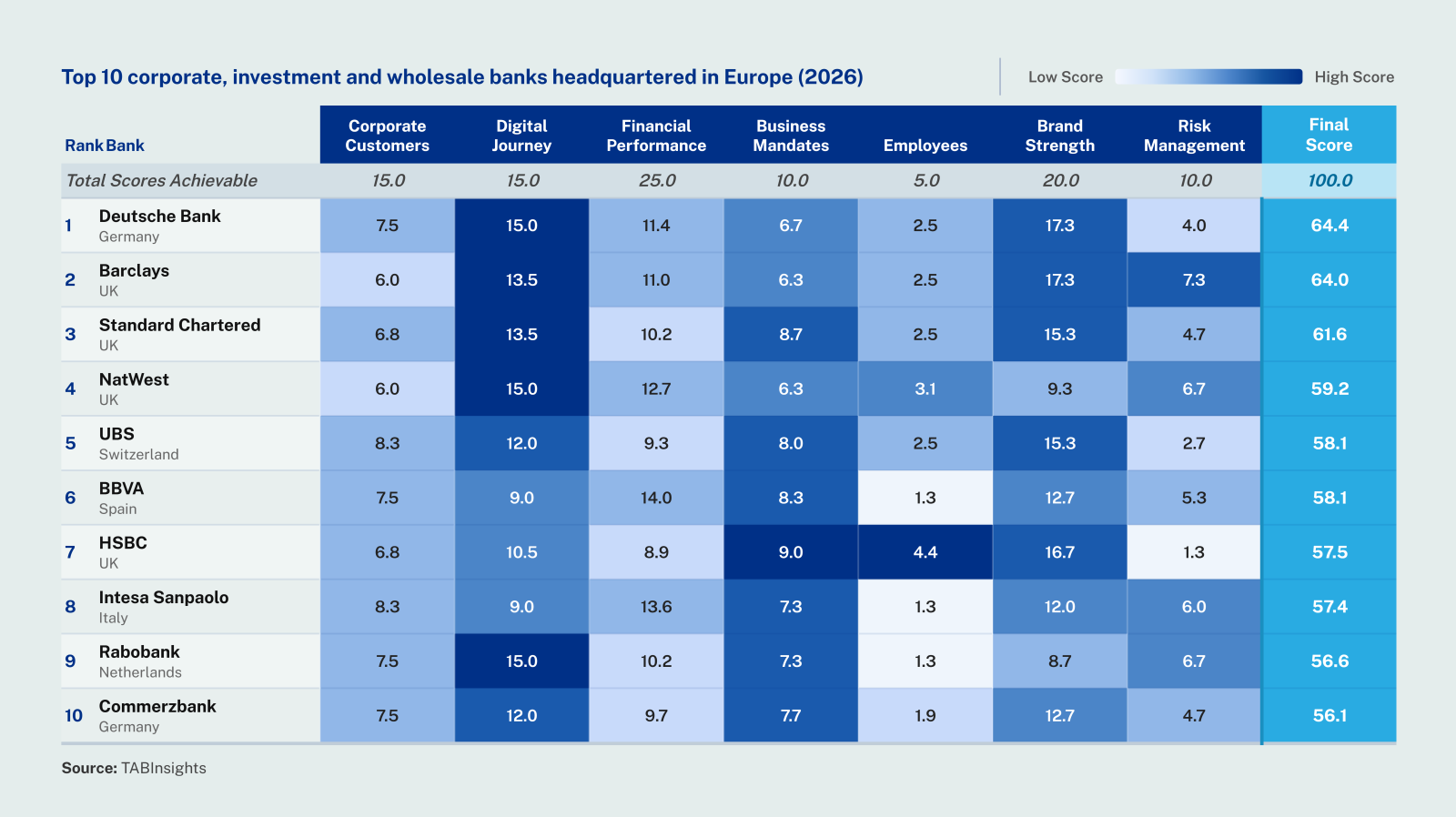



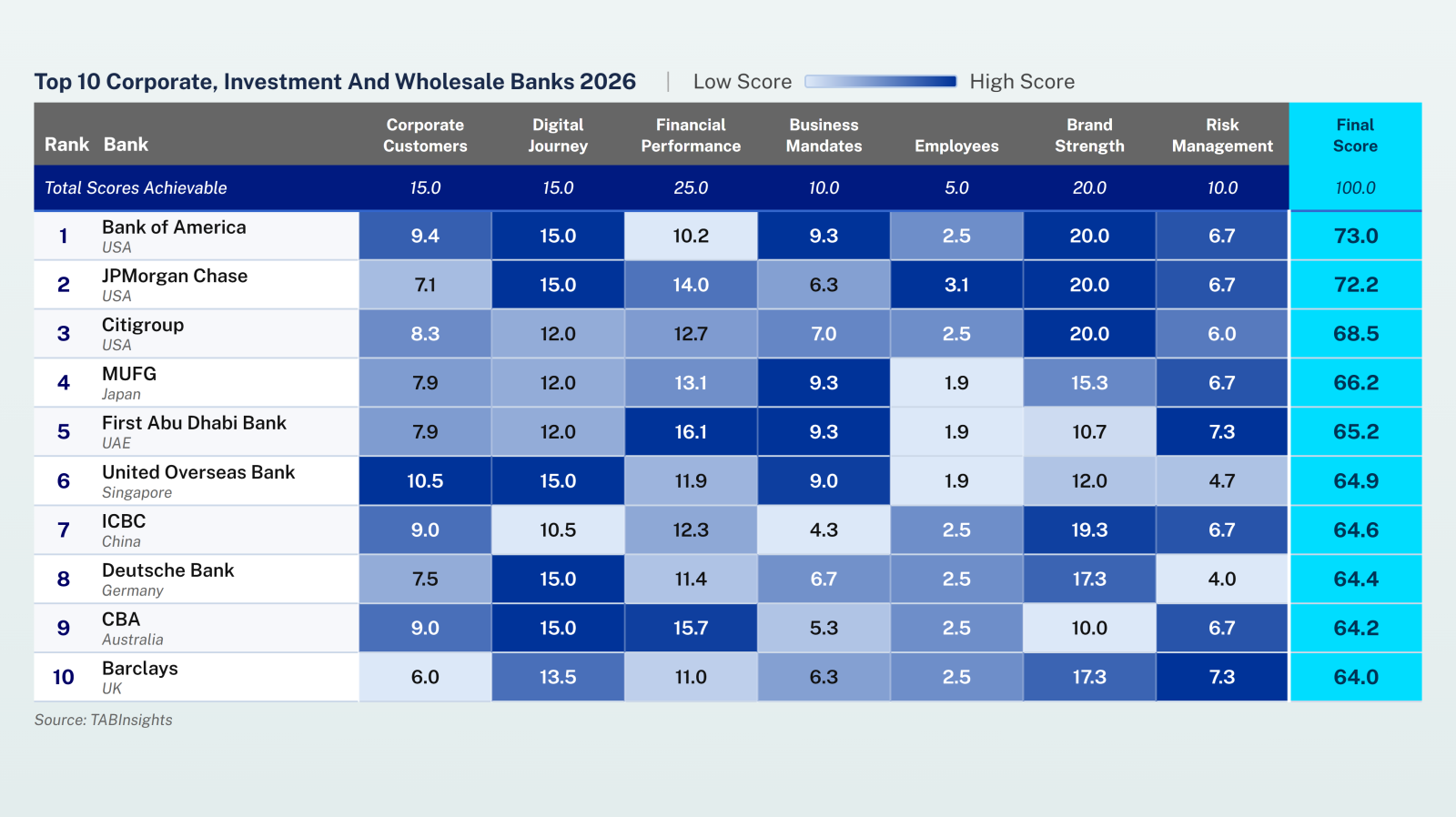
Global CIW banking has entered an execution phase, where rank movement is driven by improvement across multiple dimensions, while the efficiency gap between Middle Eastern and Western institutions widens
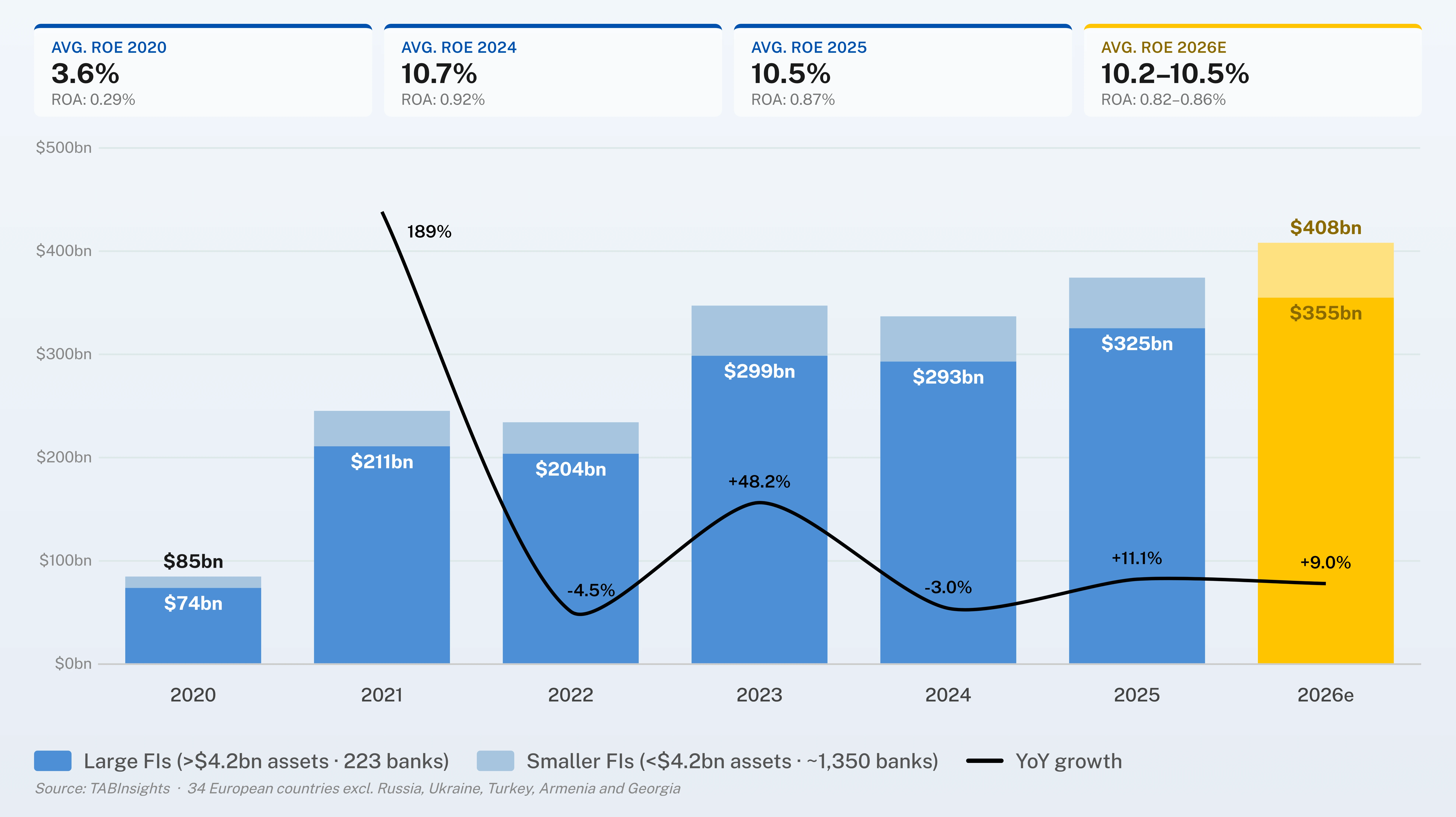
European banks across 34 markets saw net profit grow by a factor of 4.4 between FY2020 and FY2025, driven by post-pandemic recovery and the European Central Bank’s (ECB’s) most aggressive rate-hike cycle in a generation between 2022 and 2023. As these growth tailwinds ease and the International Monetary Fund (IMF) and ECB revise Euro area real GDP growth to between 0.9 and 1.1% in 2026, banks that built structural capacity during the windfall years now demonstrate more stable earnings, with banks in Belgium, Eastern Europe and the Nordics emerging as structural leaders.

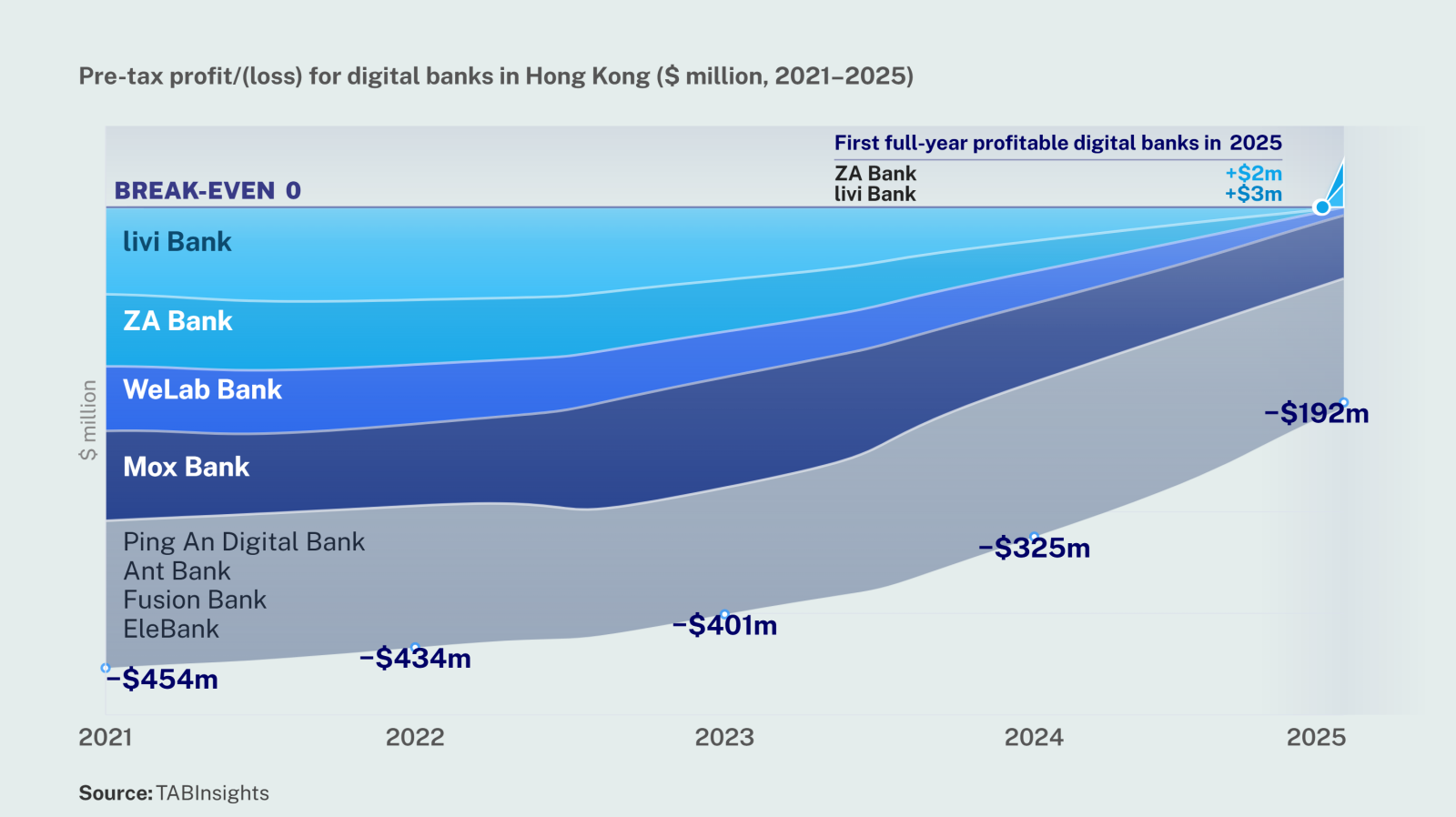
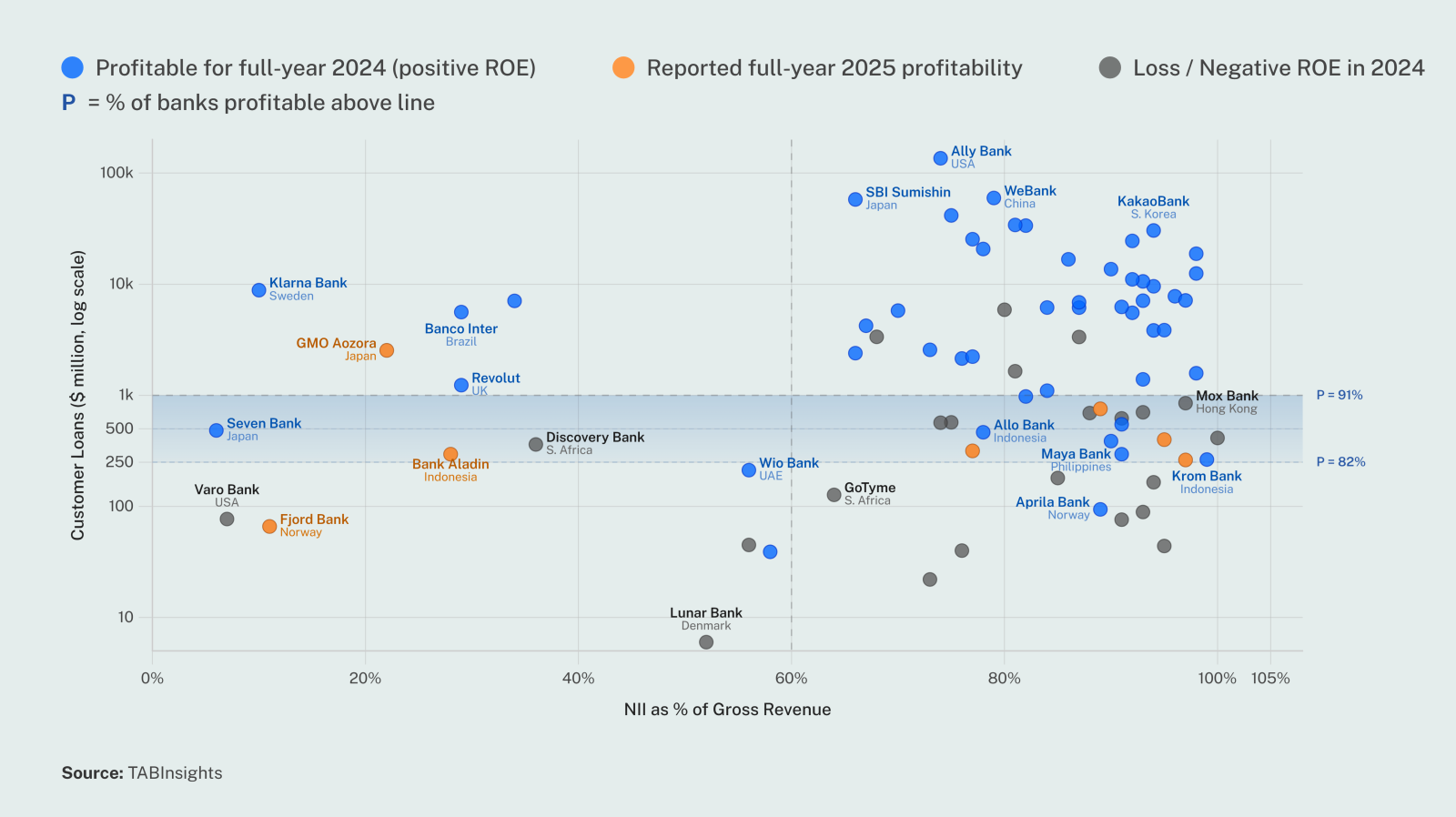
Digital banks with loan balances above $250 million are significantly more likely to be profitable, as scale and product diversification strengthen revenue. Most reach breakeven within three to six years. For those still unprofitable past the seven-year mark, N26 in Germany, Varo Bank in the US, Lunar Bank in Denmark and CIMB Bank Philippines among them, face an increasingly difficult case for continued investment.
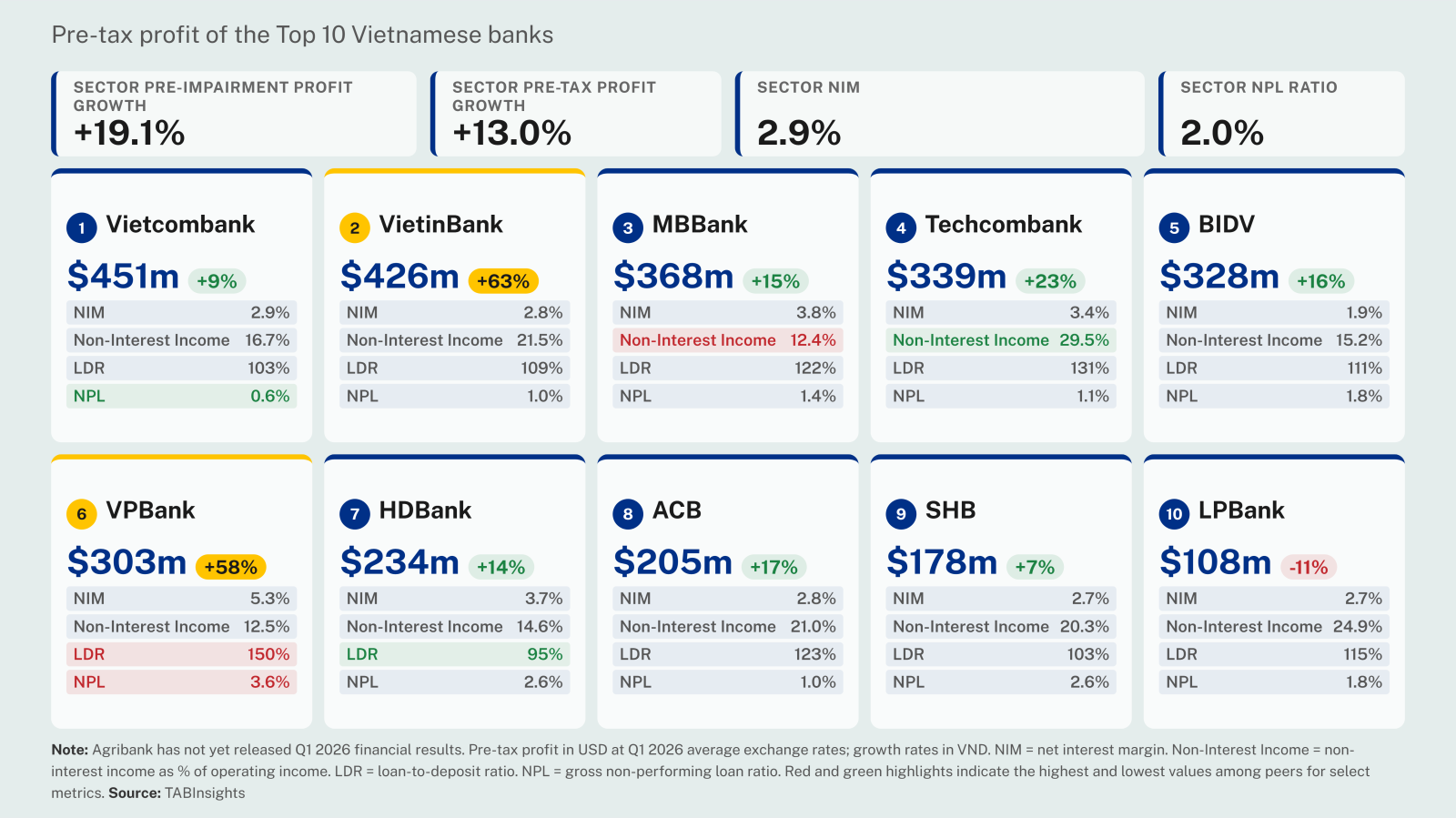
Mapping deposit growth against loan growth across the world's 1,000 largest banks reveals that 54% expanded lending faster than deposits between 2022 and 2024. When funding structures and liquidity buffers are also considered, Vietnam and Saudi Arabia emerge as the markets with the most vulnerable banking sectors. This underscores the structural challenge of building strong customer deposit franchises in high-growth emerging markets.