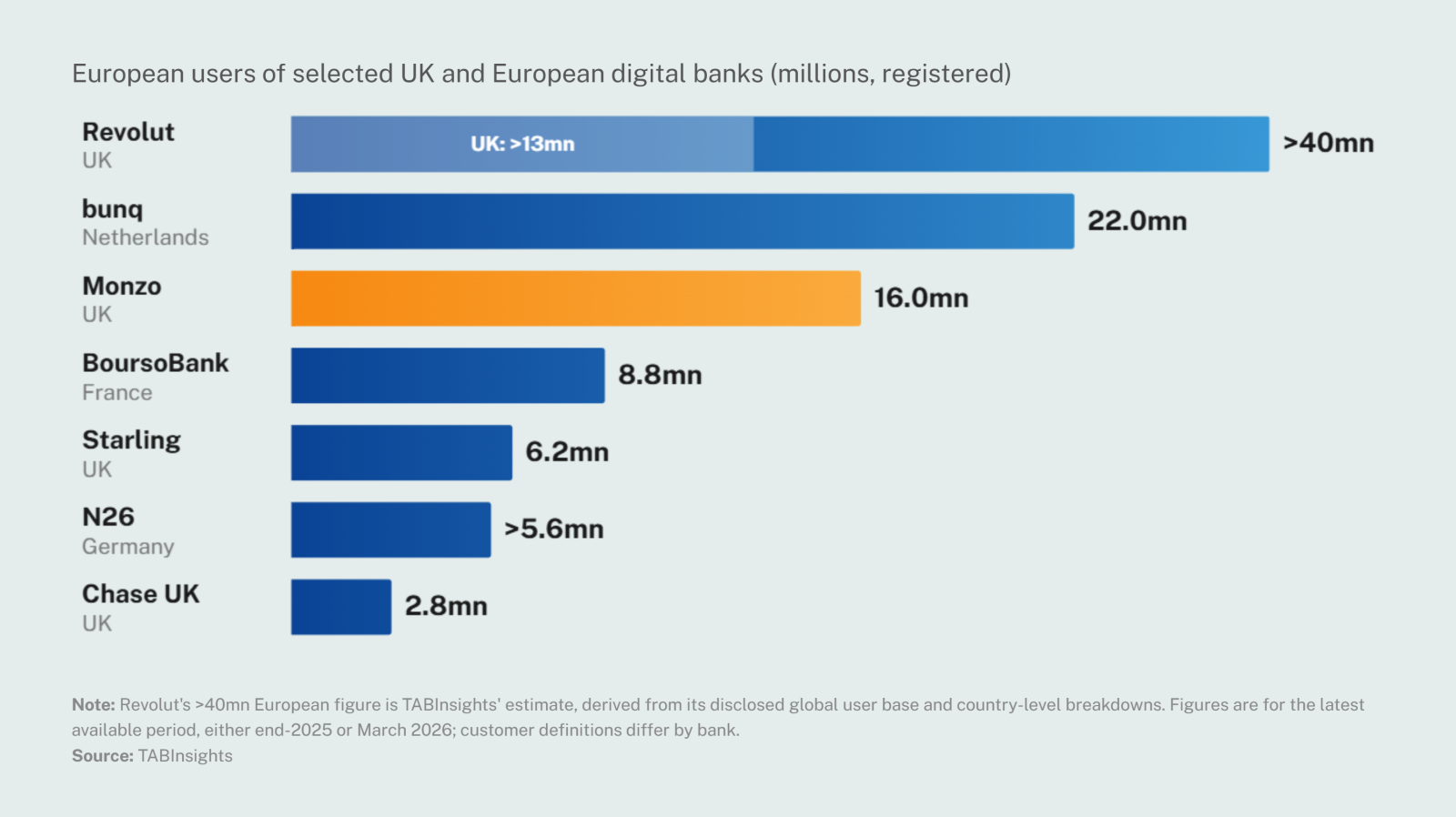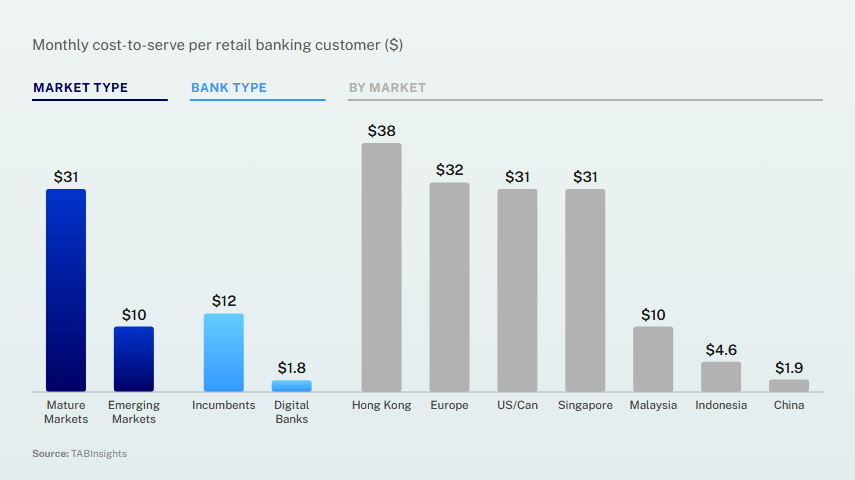



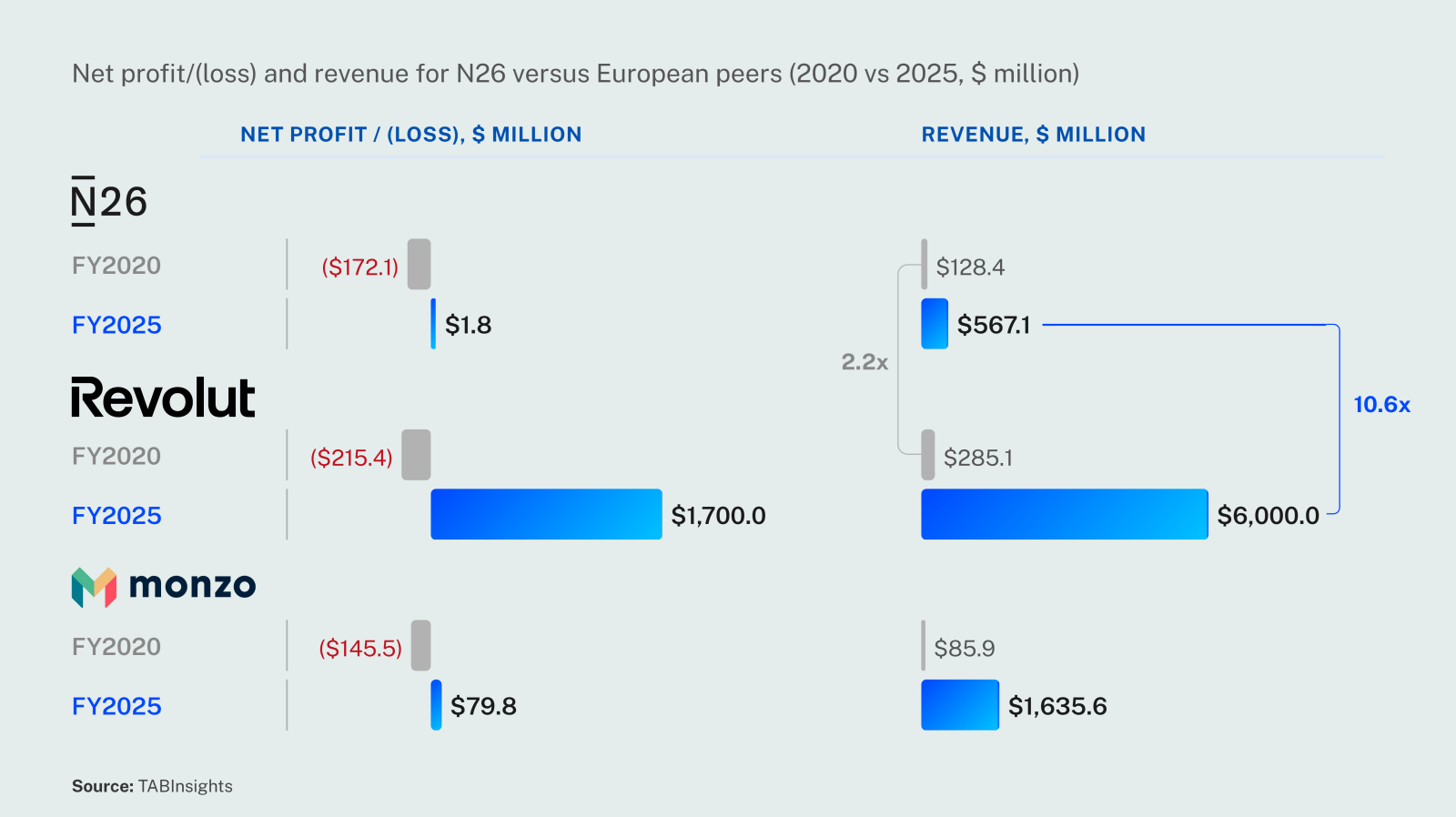
N26 delivered its first full-year net profit in 2025, but a decade of prioritising growth over bank-grade controls left the German fintech trailing European rivals, prompting a sweeping leadership overhaul.
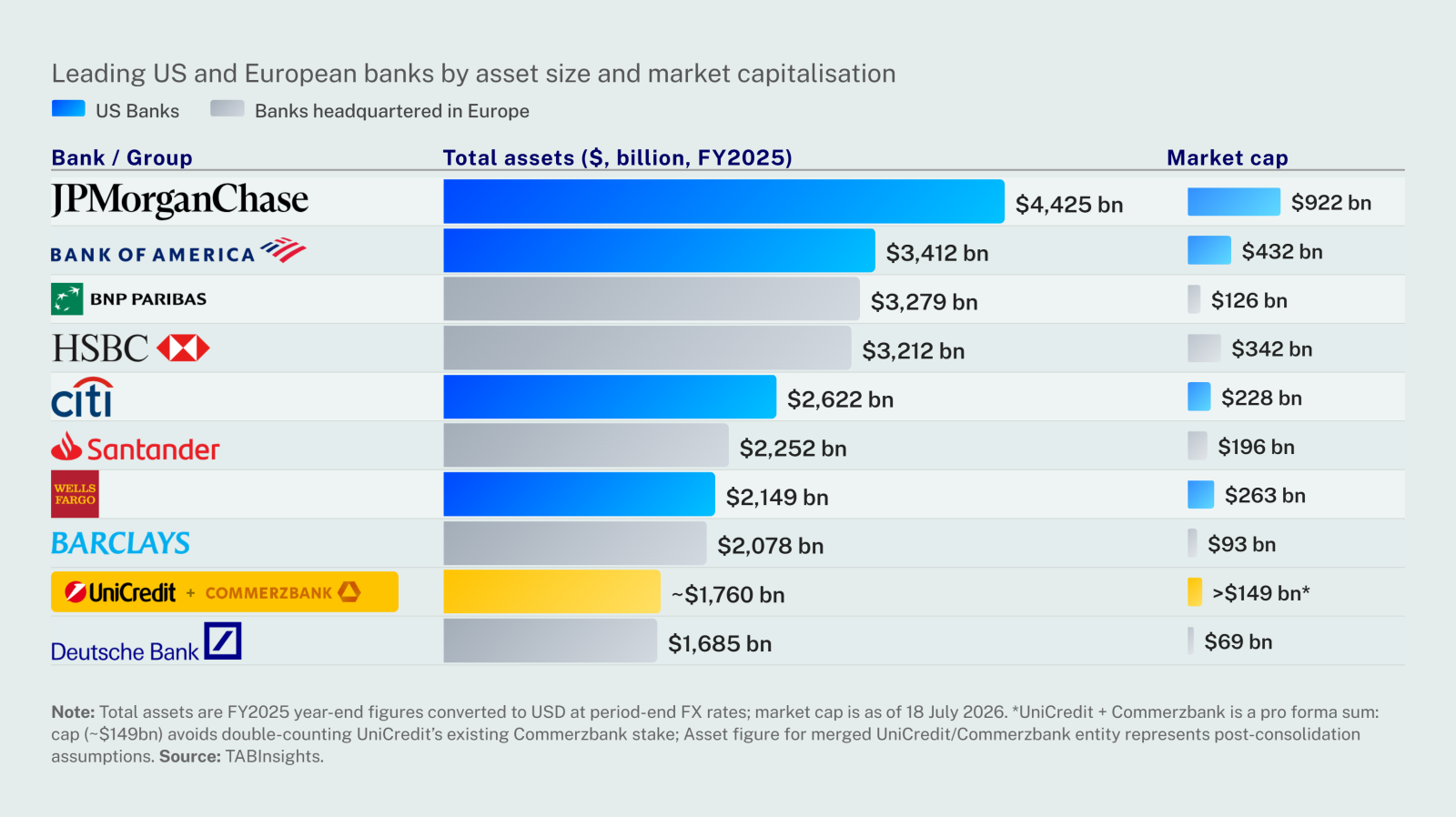
UniCredit’s path to taking full control of Commerzbank by the end of 2026 represents a decisive test of European banking consolidation, challenging political resistance and signalling that shareholder interests may increasingly outweigh national protectionism in shaping the region’s banking landscape. The resulting model would leave Commerzbank with a smaller, more focused international network designed primarily to support German, Polish and other European corporate clients rather than operate as a dispersed global lending franchise.

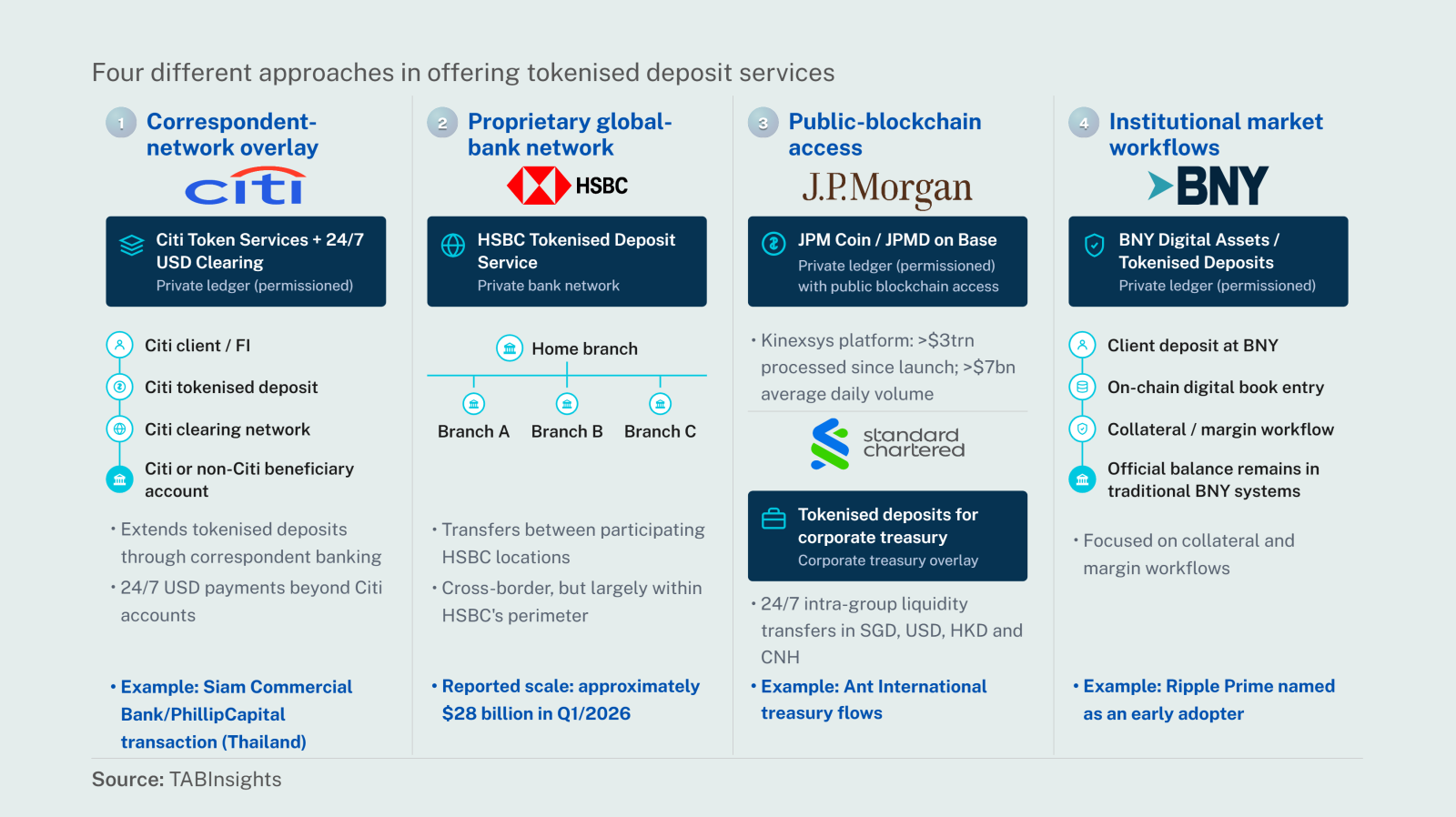
Siam Commercial Bank’s adoption of Citi’s integrated 24/7 USD Clearing and Token Services extends round-the-clock tokenised payments beyond Citi’s own accounts. But as HSBC, J.P. Morgan, Standard Chartered and BNY pursue alternative models, and shared ledgers gain momentum, the competition is shifting from first-mover advantage to interoperability and network scale.
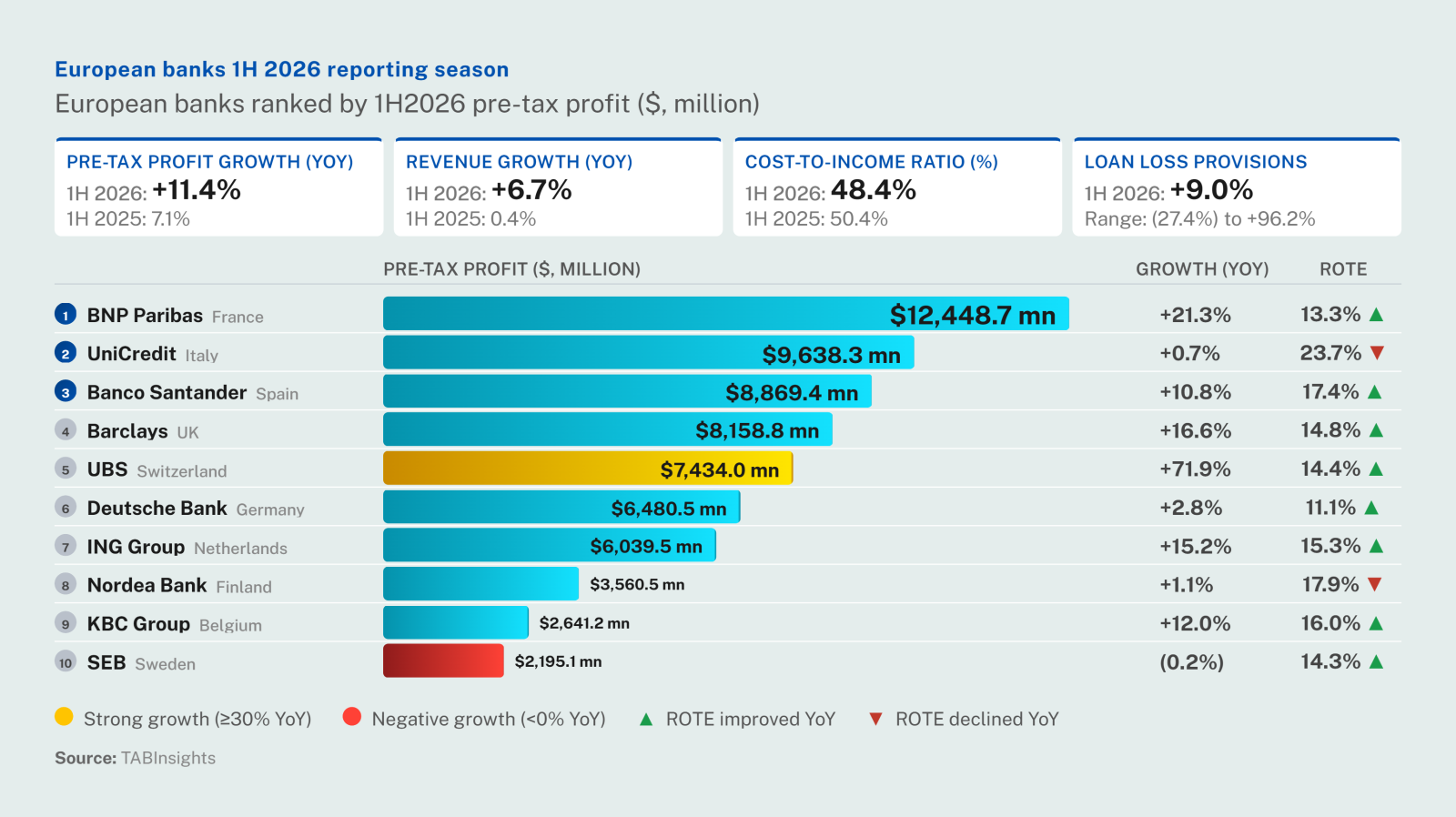
Europe’s largest banks by country showed surprising resilience in the first half of 2026, with broad-based growth across their business segments. UBS, Barclays and BNP Paribas stood out, although part of their results were boosted by corporate-centre gains, treasury performance and exceptional items. Strong earnings prompted several banks to raise their full-year guidance and reconsider mergers and acquisitions
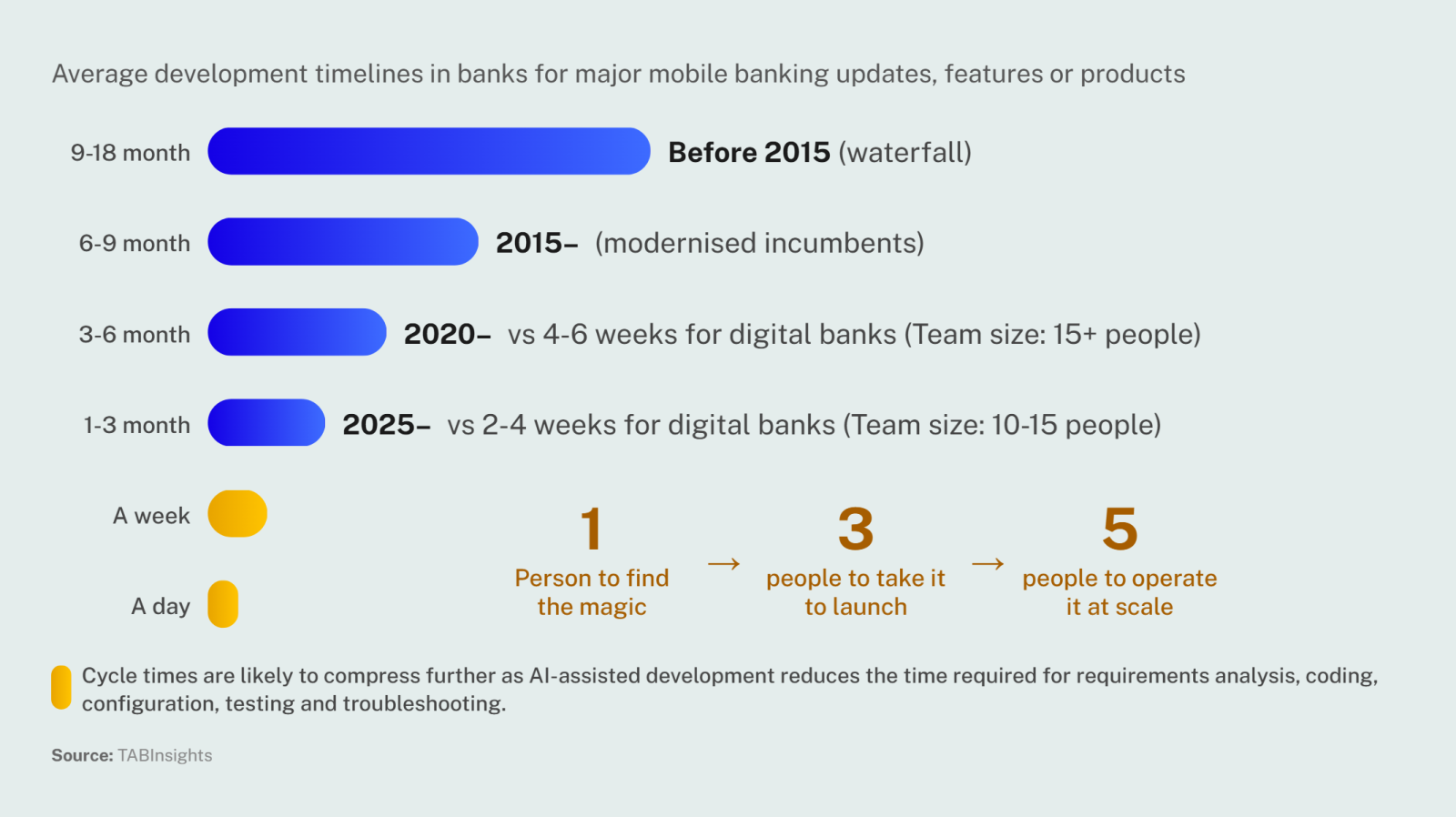
Mobile banking development cycles fall from more than a year under traditional waterfall processes to only weeks as cloud infrastructure, modular architecture, configurable products and smaller teams reduce hand-offs and rework. But faster development does not always mean faster launches, as testing, security, data readiness, certification, partner coordination and customer adoption can still slow delivery.
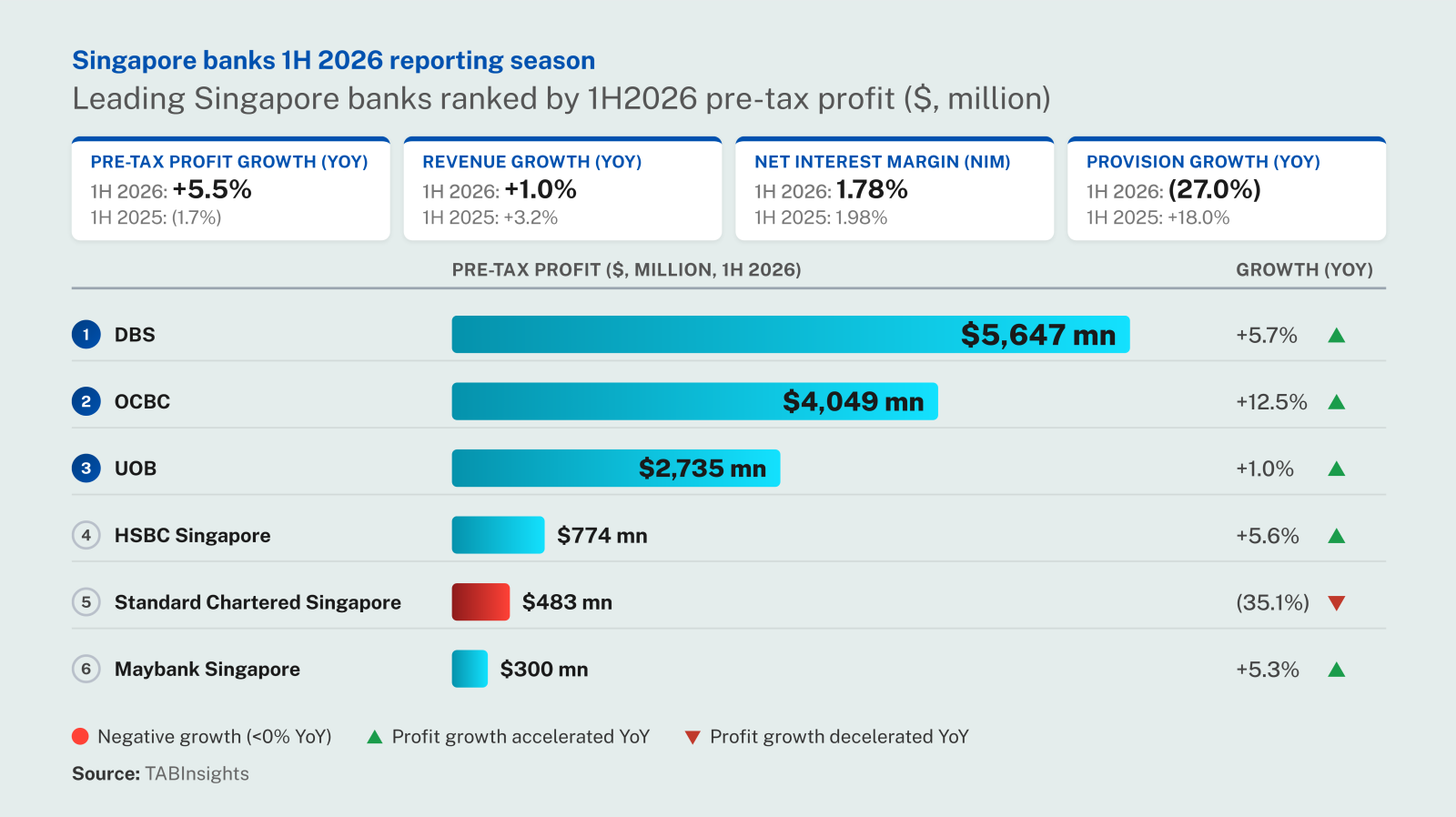
Singapore’s banks turned to non-interest income as margins compressed in the first half of 2026 (1H2026), but the earnings cushion was uneven. OCBC’s broader revenue mix supported stronger profit growth, while UOB’s experience showed that wealth expansion alone could not make up for weaker net interest income.